


.png) Dr Suresh Mathew
Dr Suresh Mathew

“Our mission is to integrate ourselves fully with the lives of the poor, the unwanted and the rejected. We have no other interest. We do not need publicity. We work silently.” These words of Sr Mary Joseph, the new Superior General of the Missionaries of Charity, convey their commitment to not deviate from the path shown by none else but their founder Saint Teresa of Calcutta. Sr. Mary Joseph has come to head the global congregation at a time when it has come out of hardships of unforeseen proportions. It speaks volumes of their sagacity that the congregation went about doing their humanitarian works, stretching from one end of the world to the other, unperturbed by the existential problem they faced in the country of their origin. It seems their dependence on God’s providence, unshakable in the face of adversities, got fortified and bolstered as echoed in the words of the new head of the congregation.
There is something that places Missionaries of Charity several notches above other religious Congregations or organizations. St. Teresa of Calcutta had answered it when she said, “I can do things you cannot, you can do things I cannot; together we can do great things.” Yes, she could do things which others could not do; she could do in a manner others could not do; she could speak a language others could not speak; she could lead a life others could not live. Though the Mother is no more, her successors -- late Sister Nirmala Joshi and Sr. Prema – carried her legacy forward, and the Congregation is able to keep the halo around it as glowing as it used to be. Now the new head of the Congregation has reaffirmed her unwavering commitment to tread the unusual and uncommon path shown by their founder. It is this striking difference, as different as chalk and cheese, from other Congregations, that places Missionaries of Charity on the top of the pedestal.
Missionaries of Charity could be a model for both government and non-government organizations in carrying out humanitarian work in the midst of the poor, the neglected and the marginalized. They work in silence; they don’t wait for the glare of publicity. The fruits of their work reach the target group. Their work is their publicity; seeing their work, media go to them. This happens quite often. This happened in the ongoing Ukraine war where five sisters of the Congregation refused to leave the war-torn country; they preferred to stay back and lend a helping hand to the distressed and devastated people. And the world recognized their work showering petals of praises on them.
But their good works are often misunderstood and misinterpreted by the powers-that-be, coaxed and cornered by interested parties. Their work with the abandoned infants, the old, physically and mentally challenged, and leprosy patients is twisted and presented as means for conversion. The hands that bandage the wounds and the hearts that hug the discarded are portrayed with communal tags. Those who try to discredit the Missionaries of Charity do not have the empathy and compassion to lend their shoulder to the victims of misfortune. In the midst of all these adversities, the new Superior General is confident that the congregation would continue with the mission in the footsteps of the Mother.

.jpg) Stanislaus Alla
Stanislaus Alla
.jpg)
.png) Cedric Prakash
Cedric Prakash

.jpg) Elsa Lycias Joel
Elsa Lycias Joel
.jpg)
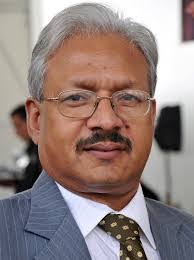 A. J. Philip

.png) Jacob Peenikaparambil
Jacob Peenikaparambil
.jpg)
.png) John Dayal
John Dayal
.jpg)
.jpg)
.png) Joseph Maliakan
Joseph Maliakan
.png)
.png) Robert Clements
Robert Clements
.jpg) Cedric Prakash
Cedric Prakash