


.jpg) Adv. Jijo Thomas Placheril
Adv. Jijo Thomas Placheril

In the early years when we were studying in schools, there was respect for the teachers; students and parents approached the teachers with owe and respect. As a part of discipline and formation, the teachers had certain freedom and rights over the students, even to the extent of awarding a corporal punishment.
The parents had trust and confidence in teachers that the punishment given by them was for the wellbeing of the students. There were no cases of allegations of cruelty and harassment by teachers. There was a value-based quality education.
The students of the past encountered hardships and difficulties at the early ages and that made them to grow and face the challenges of life. As a student I did not like to do my home works and other assignments; I wanted to be naughty in the school and wished to do whatever I liked but I was an obedient student because I was afraid of the long stick in the hands of the class teacher. I attended many classes with mental pressure and fear. When I turn back, whatever pressure I suffered in the school, made me to face the challenges of life and be successful in life.
Today the situation is entirely different from the past. The education system and the methods have changed a lot. But whether the students are receiving a qualitative and value-based education is a point of debate. The freedom by which the teachers approached the students in the past does not exist.
The present legal system indirectly instigates the parents to foster an attitude of animosity in the minds of the students towards the teachers. Now we are living in a situation where if the school administration and the staff try to discipline the students, the penal procedures are wide opened for them. Now the teachers are to be at the whims and fancies of the students and are scared of the students. They are working under intense pressure.
At present the school can neither ask fees to the students nor send them out from the class. If debarred from the exam, it becomes an offence. If the parents are not ready to pay the fees how the school administration can debit it?
Once an admission is taken in a particular school, the parents are bound to pay the stipulated fees. Filling and signing the admission form itself is an agreement between the parents and the school, and the parents make an indirect oath that if the child is given admission, they will pay all the fees without failure and will be abiding by the rules and regulations of the school.
If a parent fails to pay the fees, that becomes breech of the agreement and the oath. What type of Alternative Dispute Resolution (ADR) methods are available for the school administration other than litigation against the defaulting parents?
No school is duty-bound to make available free education to any student. It is the duty of the state (Article 21A of the Constitution of India) and the parents to meet the expense of the education of the students. When the school is not duty bound to extend free education, why should they allow a student in the class if the fee is not paid on time. If the parents or the guardian run away from their responsibility towards the students, it is just and right to initiate a legal procedure against them.
Now it has become a trend that the parents and the students make false allegations against schools if fee is asked. The teachers are harassed and tortured by the students by filing false police complaints, fabricated sexual cases and FIRs against them. This is the state of affairs in a country where teachers were considered father, mother and God.
The teachers are scared of the students and are unable to discharge their responsibilities fully. The relationship of belongingness does not exist between the teacher and the students. The teacher should get equal respect and rights on the students as the parents.
The government should recognize the professional status of a teacher and get into their shoes to understand the difficulties faced by them. A corporal punishment given by a teacher is for the wellbeing of the student. A goldsmith melts a piece of gold not to hurt and destroy it but to mould it to be a beautiful jewelry piece. Without the process of moulding, it can never become a good ornament. The teachers are in the position of the goldsmith moulding the students.
The teachers have to be given certain immunities from the criminal law especially from the Juvenile Justice (Care and Protection of Children) Act 2015 (JJ Act) and the Protection of Children from Sexual Offences Act 2012 (POCSO Act).
The MPs and MLAs are given certain immunities in the Assemblies and Parliament (Articles194 & 105 of the Constitution of India) so that they can represent the public without fear. This power of immunity should be made available to the teachers in the school so that they can discharge their responsibility without fear and hesitancy.
We need to work together to form a future generation based on human values and moral principles. The educators should be allowed to educate with an open heart and free mind.
The law shall never discriminate the students against their rights and freedoms but at the same time it is the responsibility of the law makers to ensure that the students are fulfilling their responsibilities.
When there is an over-emphasis on the rights and freedoms against the duties of the students and parents, we are killing the initiatives in the students. It is the greatest mistake of the government and the legal system that the educators are not allowed to educate the students to face and overcome challenges.
At present the students have no mental power to bear difficulties and when they are faced with challenges, they lose heart and even end their lives. The present generation of students is brighter and more intelligent than the past generation. Let us try together to bring out the potentialities in them than nurturing some ‘complan babies’ in schools. Let them face all kinds of challenges in life and become stronger and let them contribute to the development of our nation.


.jpg)
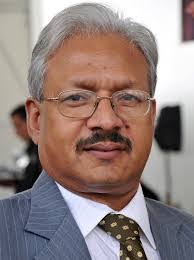 A. J. Philip
.jpg)
.png) Jacob Peenikaparambil
Jacob Peenikaparambil

.png) Chhotebhai
Chhotebhai

.jpg) P. A. Joseph
P. A. Joseph
.png)
.png) Robert Clements
Robert Clements
.jpeg) A. J. Philip
A. J. Philip
.jpg) Jacob Peenikaparambil
Jacob Peenikaparambil